
DO SHARKS MIGRATE IN HAWAII? UNDERSTANDING FALL SHARK MOVEMENTS AROUND OAHU
How Shark Activity Changes With the Seasons in Hawaii
Sharks can be found in the waters around Hawaii throughout the year, but they do not always remain in the same place. Some stay within familiar areas for long periods, while others travel between islands, coastal habitats, and deeper offshore waters.
Their movements can be influenced by food, reproduction, ocean conditions, and seasonal changes. Tiger sharks are especially interesting during fall, when researchers have observed changes in the movements of some individuals throughout the Hawaiian Islands.
This does not mean sharks suddenly arrive around Oahu when summer ends. Galapagos, sandbar, tiger, and other sharks may be present throughout the year, but fall offers an interesting look at how and why their movements change.
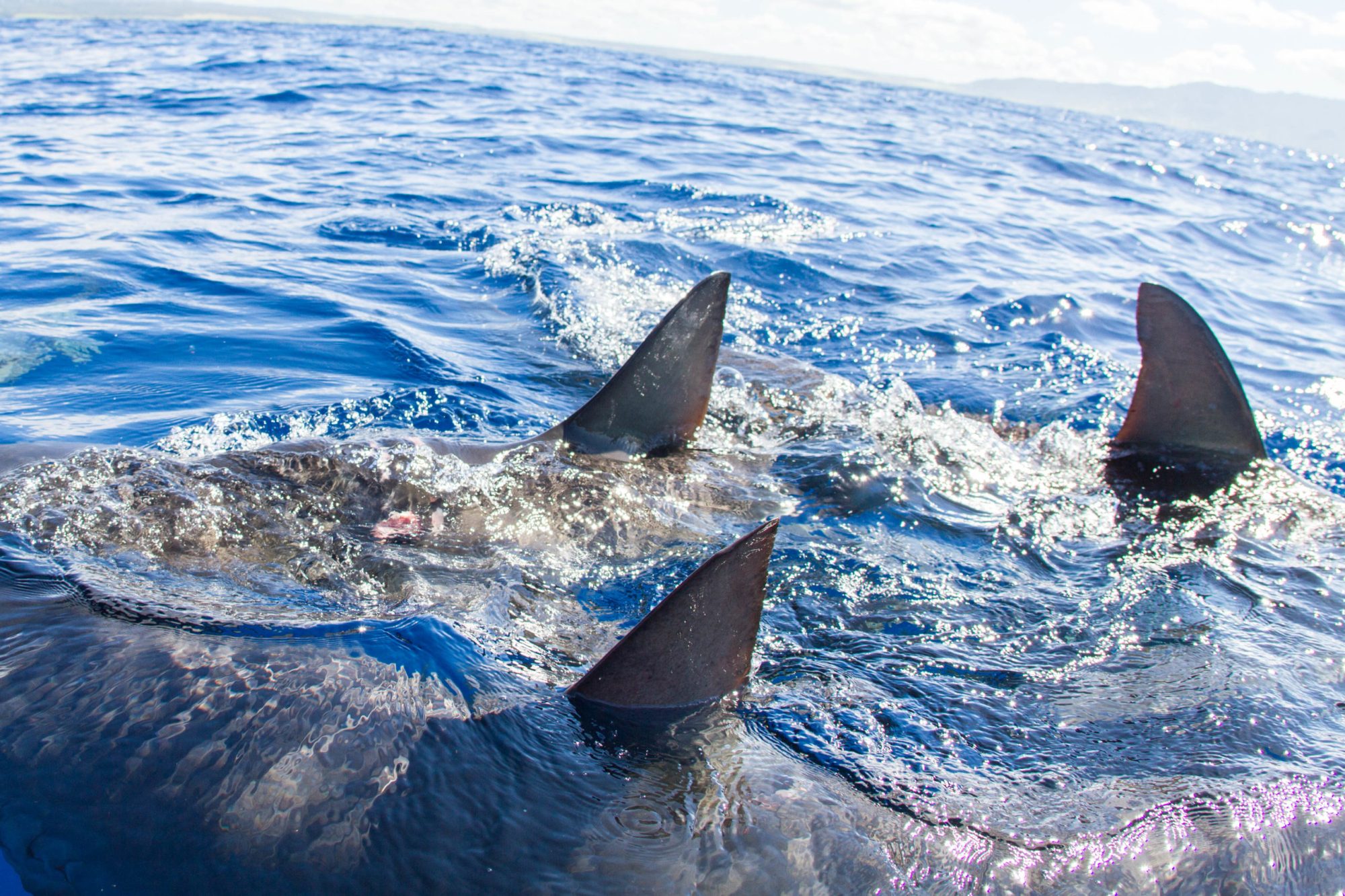
For visitors, learning about these movements can make seeing a shark in the wild even more meaningful. The shark below the surface may have traveled long distances through the open ocean before reaching the waters around Oahu.
Are Sharks in Hawaii Year-Round?
Several shark species live in or travel through Hawaiian waters year-round.
Galapagos and sandbar sharks are commonly associated with deeper offshore environments. Tiger sharks may travel through both coastal and open waters, while whitetip reef sharks are more closely connected to coral reefs. Each species has its own preferred habitat, diet, and behavior.
Even within the same species, individual sharks may move differently. Some remain within a general area, while others travel considerable distances.
This is why there is not one simple “shark season” in Hawaii. Sharks are part of the marine environment throughout the year, although their locations and activity may change naturally over time. The same is true for much of the marine wildlife found around Oahu, including dolphins and Hawaiian green sea turtles, while other animals, such as humpback whales, are much more seasonal.
Why Do Sharks Move Around the Hawaiian Islands?
The waters surrounding Hawaii contain many different habitats. Coral reefs provide food and shelter for smaller marine animals, while rocky coastlines, sandy seafloors, and deeper offshore waters support different species and food sources.
Sharks move between these environments depending on what they need. Some may change depth as they follow prey, while others travel between coastal and offshore habitats. Larger movements can also take sharks from one Hawaiian island to another.
Tiger sharks are particularly capable travelers. Tracking studies have shown that individual tiger sharks can move considerable distances throughout the Hawaiian archipelago. Some movements are seasonal, while others may be connected to food, reproduction, or changing environmental conditions.
A shark seen around Oahu may travel between islands, habitats, and much larger areas of the Pacific during its lifetime.
Tiger Sharks and Fall in Hawaii
Tiger sharks can be found throughout the Hawaiian Islands, but researchers have discovered interesting patterns in their movements during late summer and fall.
Tracking research has shown that some mature female tiger sharks travel from the Northwestern Hawaiian Islands toward the main Hawaiian Islands during this part of the year. These movements coincide with the period when tiger sharks give birth, suggesting reproduction plays an important role in where some females travel.
Not every tiger shark follows the same pattern. Some travel long distances while others remain within particular areas, and tiger sharks are present around the main Hawaiian Islands outside of fall. Rather than a mass migration, these seasonal movements are one of several patterns researchers study to understand where sharks travel and which habitats they use.
What Is Sharktober in Hawaii?
People researching sharks in Hawaii may come across the term “Sharktober.” The nickname is associated with October and observations surrounding tiger shark activity and shark incidents during this part of the year.
Researchers have studied historical shark incidents in Hawaii alongside what is known about tiger shark reproduction and seasonal movement. The pattern appears to be connected to the natural biology and movements of tiger sharks rather than sharks simply becoming more aggressive during October.
It is important to keep this in perspective. Shark bites remain rare, and the existence of a seasonal pattern does not mean visitors should expect a dangerous encounter during fall.
What Sharks Might You See Around Oahu in Fall?
Several species may be encountered in the waters around Oahu during fall.
Galapagos sharks are commonly found in deeper offshore environments around oceanic islands and are among the sharks guests may encounter during a shark cage diving tour. They have broad snouts, streamlined bodies, and strong swimming patterns suited to open water.
Sandbar sharks may also be found in offshore waters. They are recognizable by their tall dorsal fins and substantial bodies and are associated with sandy seafloors, coastal areas, and deeper habitats.
Tiger sharks have a wider range and may move between coastal and open waters. Although their seasonal movements are particularly interesting during fall, seeing a tiger shark on any individual trip cannot be predicted.
Because these are wild animals, every day on the water is different. Species and sightings depend on natural movement, weather, ocean conditions, and other factors.
How Fall Changes Oahu’s Marine Environment
Sharks are not the only animals moving through Hawaiian waters as the seasons change.
As fall moves toward winter, humpback whales also begin returning to Hawaii after migrating from colder northern feeding areas. They travel thousands of miles across the Pacific to mate, give birth, and care for calves in the warm waters surrounding the Hawaiian Islands. As whale activity increases later in the season, a whale watching tour offers another way to experience the changing marine environment from the water.
These seasonal movements are part of what makes Oahu’s marine environment constantly changing. A trip offshore in September may look different from one later in winter, and even two trips during the same week can produce different wildlife encounters. Visitors interested in seeing more of this environment can explore other ocean activities, with different ways to experience the wildlife and waters around the North Shore.
Why Shark Movement Matters to Hawaii’s Ocean
Shark movement also helps researchers understand Hawaii’s larger marine environment.
As high-level predators, sharks influence the populations and behavior of other animals and help maintain balanced food webs. Their movements connect different marine habitats, from coastal areas to deeper offshore environments.
Protecting sharks therefore means protecting more than one animal. It also means caring for the habitats and larger ecosystem these animals depend on. Learning more about shark conservation on Oahu’s North Shore can help visitors understand why responsible wildlife tourism and healthy shark populations are closely connected.
Experience Sharks in Their Natural Environment
Learning about seasonal movement offers one perspective on sharks. Seeing them below the surface can offer another.
Hawaii Shark Encounters’ shark cage diving experience takes guests into offshore waters on Oahu’s North Shore, where sharks can be observed in their natural environment with an experienced crew. Depending on ocean conditions and natural movement, guests may encounter Galapagos, sandbar, and other sharks that travel through these waters.
Fall is an interesting time to learn about shark movement, but these animals remain an important part of Hawaii’s marine ecosystem throughout the year. Observing them in the wild can offer a new perspective on how sharks move, behave, and fit into the larger ocean environment.
Mahalo. A hui hou.